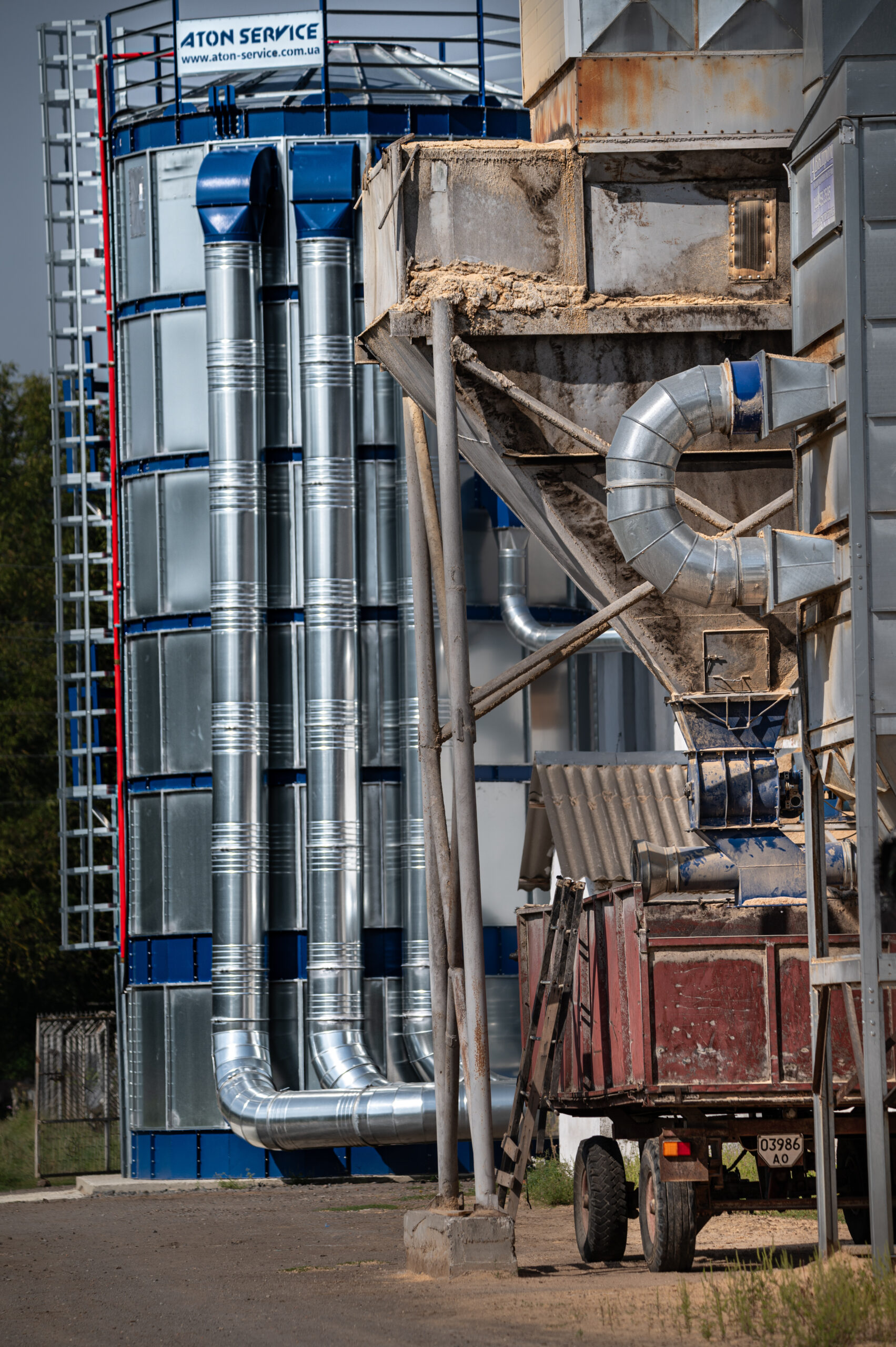
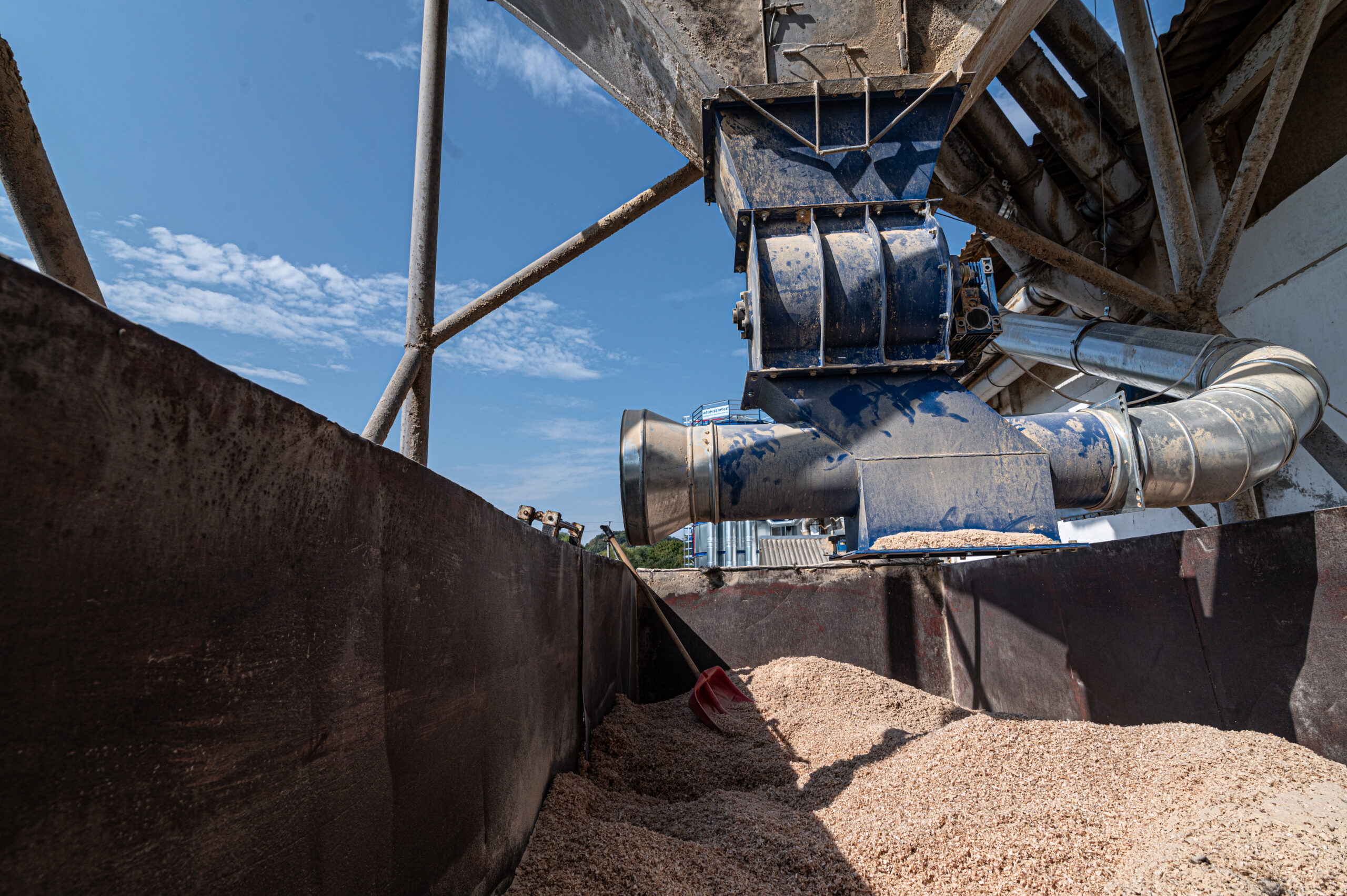
Numina: an aspiration system with storage and briquetting for MDF and particleboard
2026. Aton Service has implemented an aspiration system for the storage and briquetting of MDF and particleboard at the Numina production facility in Moldova. More

2025.
The search for a reasonable balance between economy and efficiency is what started it all. At Dubik-M, a company that manufactures children’s beds and furniture, monthly heating costs reached 100,000 hryvnia. Meanwhile, sawdust that could have been put to good use was either disposed of or sold for pennies. The solid fuel boiler required constant manual control. Operating the boiler around the clock in three shifts created a significant burden for staff and led to a steady increase in operating costs.
Sawdust: From Waste to Valuable Fuel
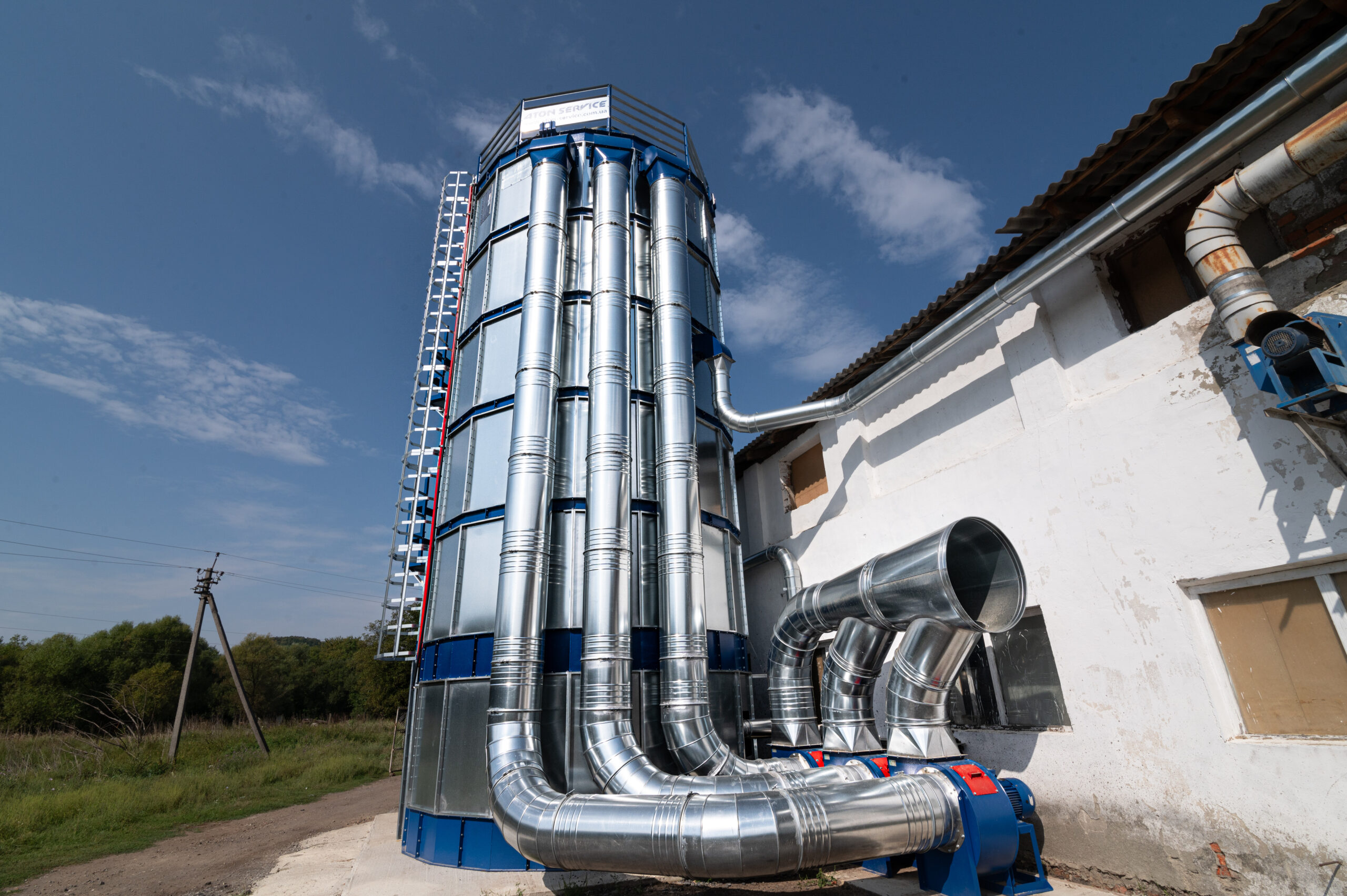
Aton Service rose to the challenge of turning problems into opportunities. Our team proposed a two-stage solution. First, sawdust, a production waste product, became a viable fuel, significantly reducing heating costs. Second, we integrated the aspiration system with the solid fuel boiler and fully automated the fuel supply, making the process autonomous and eliminating the need for unnecessary time and human effort.
Automation and a modular approach were used to modernize the aspiration system.
The first stage involved:
Energy Optimization Through Intelligent Control
The second stage involves further automating the system by connecting all woodworking machines to the aspiration network and installing pneumatic dampers on each machine to precisely control airflow. It also involves implementing an intelligent load control system. The system automatically determines the number of active machines and optimizes energy consumption accordingly to ensure maximum efficiency.
Uniqueness and advantages of the aspiration system
Aton Service’s solutions are unique because of the modular design of the aspiration system, which allows the equipment to be positioned without altering the central line. This ensures high flexibility and quick adaptation of the network to production needs.
The hopper’s design provides a zero accumulation zone, eliminating chip jams and minimizing the risk of spontaneous combustion. For seasonal storage of sawdust, it can be accumulated in big bags to ensure optimal storage conditions until the heating season.
System specifications:
The team completed the first stage in three months. As a result, Dubik-M can now dispose of woodworking waste independently and obtain heat for drying and heating without incurring additional firewood costs. Fuel costs have significantly decreased, and staff workload has greatly decreased.
Aton Service’s approach combines engineering, ecology, and support.
In this case study, Aton Service demonstrated an individualized approach, deep engineering expertise, and attention to environmental friendliness and energy efficiency.
Particular attention was paid to regional seismicity because Dubik-M is located in Transcarpathia. This approach minimizes the risk of damage and ensures the enterprise’s stable operation.
We provided a full cycle of implementation, from design to launch and ongoing support. This ensures the reliability and durability of the industrial aspiration system. We continue to work.


